One subject, any stage
AI Scene Generator
An AI scene generator answers the question every character creator hits eventually: I have this person, now how do I get them into a different picture? Creamify's New Scene mode is built as slots rather than prose — you supply a character image, then select a pose, an outfit, and a background from curated visual options.
Under the hood the mode drives the Qwen-based edit engine, which treats your character image as the thing to preserve and the slot selections as the things to construct around it. The output is a new scene that still reads, immediately, as the same person.
Build a scene free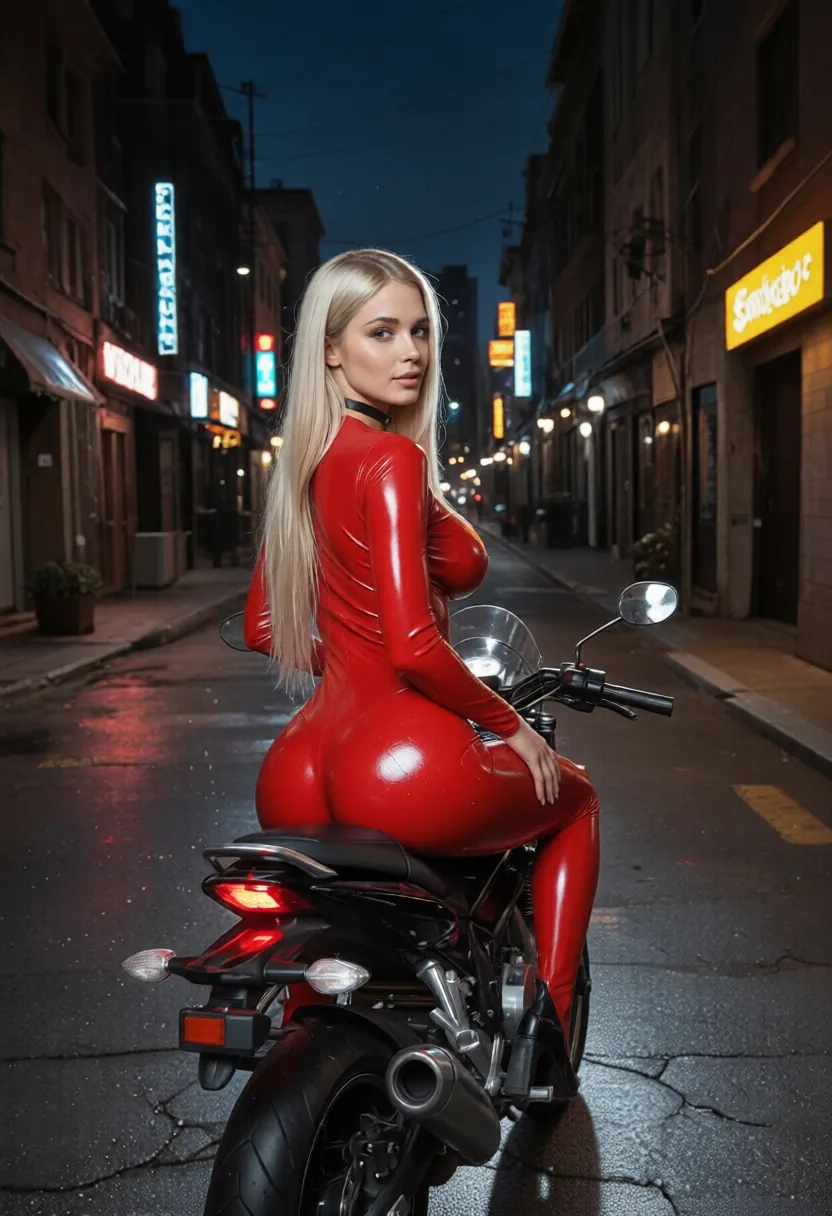
Filling the four slots
Anchor with a character image
Upload the subject or pull one from your gallery — an avatar you built, a render you liked, any image you hold the rights to. This slot is the identity of the scene; everything else is negotiable around it.
Cast the pose, outfit, and backdrop
Each remaining slot offers curated options you pick visually, no describing required. The selections steer prompt construction — the curated reference images guide your choice rather than being pasted into the render.
Season with text, then generate
An optional extra-text field takes atmosphere the slots cannot: time of day, a prop, an expression. The generate button stays locked until all slots are filled, then one run produces the staged result.
Slot-based composition beats sentence-based staging
Describing an entire scene in prose means renegotiating everything on every run — subject, wardrobe, environment, stance, all floating in one sentence, all up for reinterpretation. The slot model pins each variable separately. Identity is an image. Pose is a selection. Outfit is a selection. Background is a selection. Nothing about the composition is left implicit, which is why consecutive runs behave like directed variations instead of unrelated ideas.
It also changes the failure mode, which matters more than it sounds. A prose scene that comes back wrong offers no handle — something in the sentence misfired, good luck finding it. A slotted scene that comes back wrong has four labelled dials, and the wrong one is usually obvious on sight.
The character slot is doing edit-engine work
New Scene is a guided front end over the strongest preservation engine in the workspace — the same Qwen model that powers the two-image mode of the image editor. That lineage is the reason the face holds. The engine's core competence is changing an image's circumstances without changing its subject, and a scene generation is exactly that operation at maximum scope: circumstances replaced wholesale, subject intact.
The practical consequence: the scene builder pairs naturally with the avatar generator as a two-step pipeline. Build the person once, deliberately. Then restage them indefinitely — seasons, settings, wardrobes — without ever re-describing the face and hoping. Serial creators running the same character across dozens of images live in this loop, and the narrative version of it is sketched on the virtual girlfriend page.
Scenes accumulate into a world
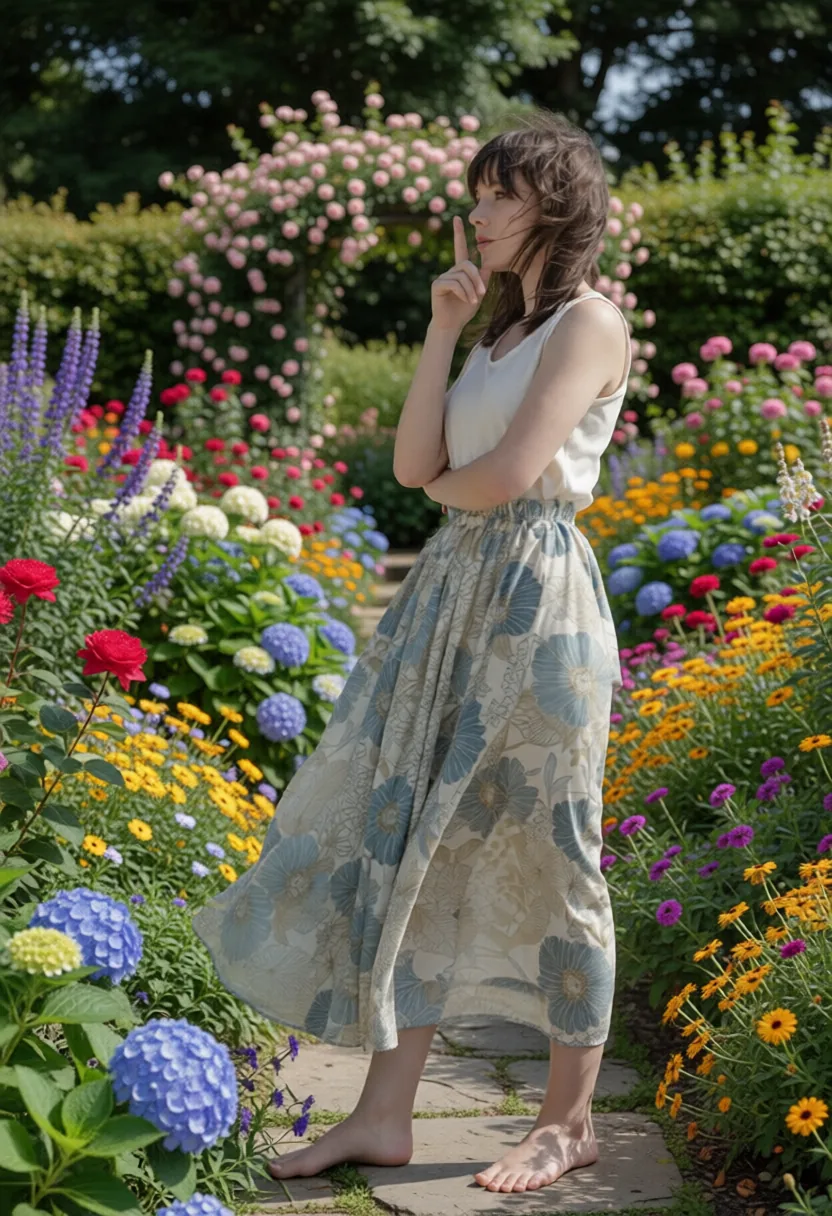
A single staged image is a picture; a set of them is continuity. Because the anchor image never changes, scenes generated across different sessions still agree with each other — the same person at the beach, in the kitchen, on a night street, dressed for each. Collected in the gallery, filtered by model, the set reads as one character's life rather than a folder of lookalikes.
The extra-text field is what keeps serial scenes from feeling mechanical. Slots handle the anatomy of the scene; the text supplies the weather — lighting, mood, a small prop, a season. Same anchor, same slots, one line changed: the outputs sit apart exactly as much as you asked them to, which is the level of control staged character work has always been missing.
Storage follows the usual house rules: staged scenes land in your gallery under whichever mode is active, so completed results in a private character project stay in the device-local gallery. Processing still uses Creamify and its providers. For work you want synced across machines, flip to cloud and the whole series follows your account instead.
Why Creamify turns a keeper into a series faster
New Scene handles composition as choices instead of asking you to rewrite a fragile paragraph. The source image anchors the character, tested slot language handles the structure, and optional text adds mood. That prompt assembly is the product doing the engineering for you, while three editors and the video picker remain one click away.
Restagings from single references
- One reference, resolved into a new look
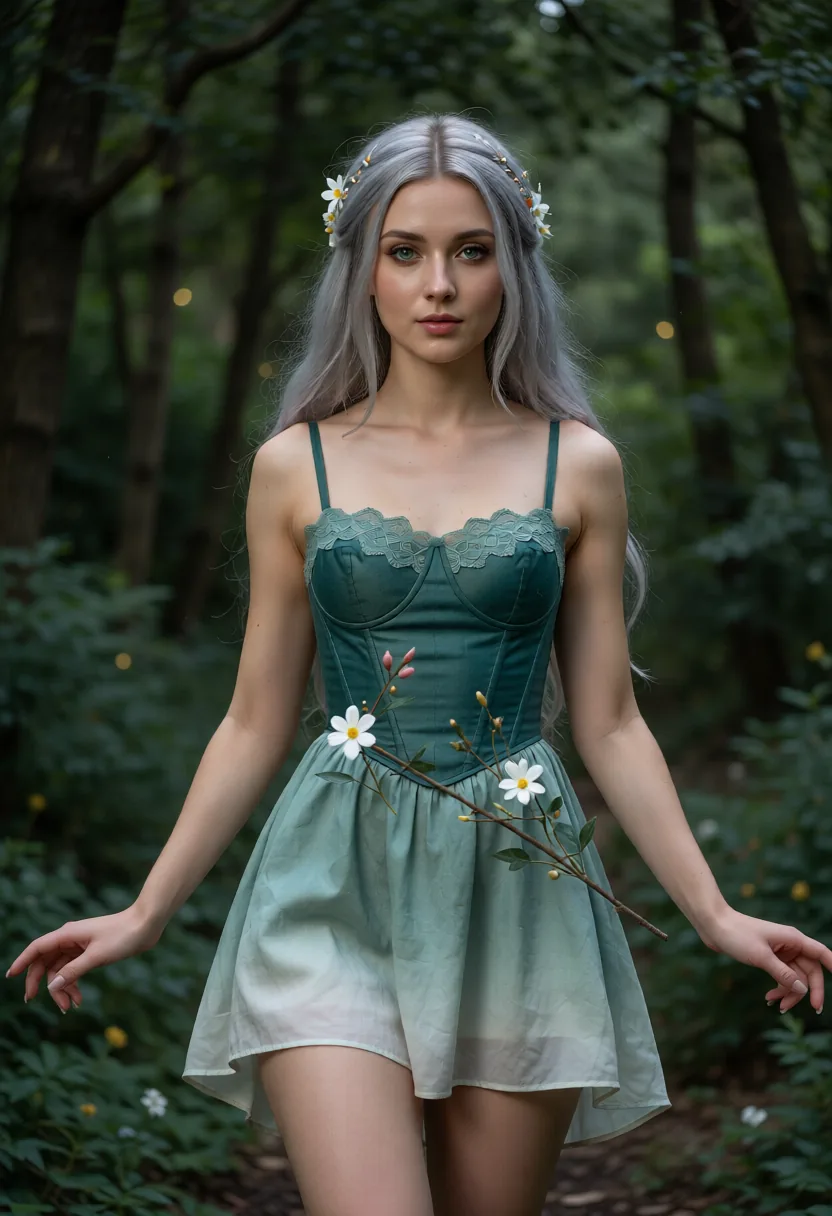
- Interior staging around a kept face

Scene composition questions
A clear, well-lit image where the subject dominates the frame — an avatar-builder render is ideal, and so is any strong portrait from your gallery. The cleaner the identity signal going in, the more faithfully it survives the restaging.
Because scene generation with unstated variables degenerates into guessing. Forcing pose, outfit, and background to be explicit choices means the engine composes a scene you specified rather than improvising the gaps — and means a disappointing result always has a visible decision you can change.
No. Curated slot assets exist for selection and prompt construction — only your character image is sent as generation source material. What you get back is generated fresh around your subject, not collaged from the option thumbnails.
Your own creations, or images you have rights to use. The upload flow requires confirming ownership or licence and that no real person is depicted without consent, and sources are moderated before generation. The tool is for placing characters in scenes, not people in situations they never agreed to.
Scene runs bill as edit-engine generations: 10 coins each on the Qwen engine. Fresh accounts hold 40 coins by the end of day one, so a first session gets four restagings of the same character. Coin packs start at $5 when you want more.
Take someone you generated and put them somewhere new
The scene builder will not run until every slot is filled — which is precisely why its results come back coherent instead of half-decided.
Build a scene free