Stills that move, scenes that change
Virtual Girlfriend
A single portrait is a thin version of a character. What makes one feel present is seeing her somewhere specific, in different light, at different times — and occasionally moving rather than holding still.
Creamify covers that as images and video up to 30 seconds. It does not cover conversation: there is no chat, no voice, and nothing that remembers you between sessions. Everything below is about what you can build visually.
Animate a character with audio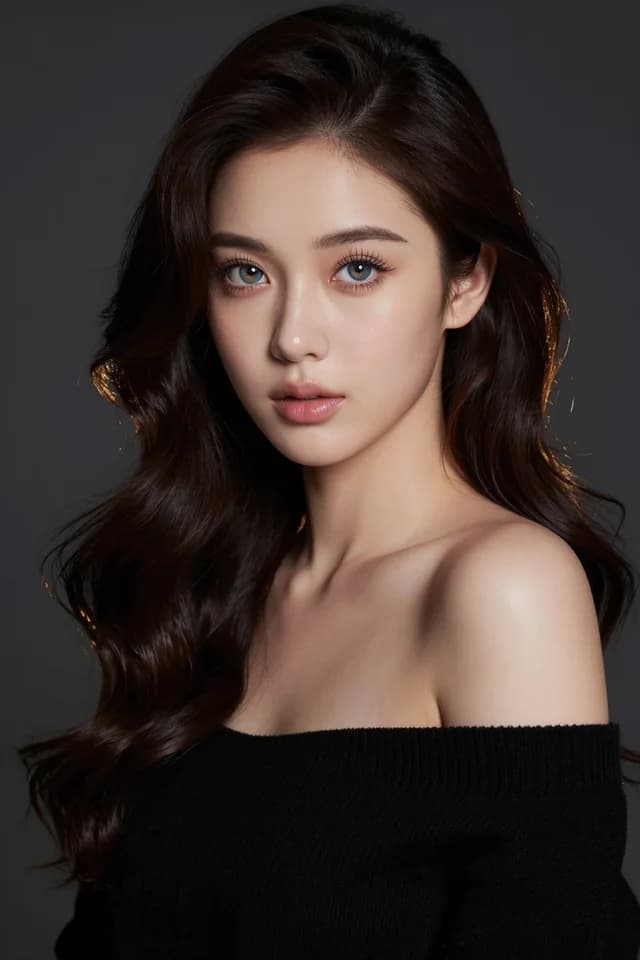
Bringing a still into motion
Settle the character first
Motion and scene changes both work from an existing frame, so the face needs to be right before anything else. Guided avatar creation is the fastest route to that starting image.
Rebuild the setting around her
New Scene keeps the subject and replaces the environment, which is the opposite of what a fresh generation does. That is how one character ends up in a kitchen, then a rooftop, then rain.
Animate the frames worth animating
Any still can become a short clip. Because it starts from a frame you approved, you are directing movement rather than gambling on a whole new scene appearing correctly.
A still is a moment; a set is a character
One good image tells you what someone looks like. It does not tell you anything about them, and that gap is why a single portrait — however well generated — tends to feel thinner than people expect when they finally get one they like.
What closes the gap is variety of circumstance rather than variety of pose. The same character seen in a kitchen at breakfast, in a car at night, and on a balcony in late sun reads as continuous, because the mind fills in the connective tissue between them. Three portraits at three angles do not do this, no matter how good each one is.
That means the interesting work starts after the character exists. Scene construction, lighting shifts, and small motion are all continuation tools, and they are worth more than another twenty attempts at the perfect single frame.
Light and place carry more than costume
The instinct when building out a set is to change clothes. It works, but it is the weakest of the available levers, because a wardrobe change reads as a different photo rather than a different moment.
Time of day is stronger. Noon, golden hour, dusk, and artificial night light produce genuinely different images from an identical subject and setting, and they imply passage of time in a way that clothing does not. A character who has been seen in several lighting conditions feels observed over a period rather than photographed once.
Location does the most work of all, and New Scene exists specifically for it. Because it preserves the subject while replacing the environment, you can move a character somewhere new without the model reinventing her to suit the place. That is the difference between a series and a set of coincidental lookalikes.
Motion, used sparingly
Animation is best treated as an accent rather than the goal. A few seconds of movement on a frame that already works adds a great deal; animating everything produces a lot of clips and very little effect.
The reason it works well here is ordering. Because the clip starts from a still you have already approved, the character question is closed before motion is introduced. Text-to-video runs the opposite way — it decides who appears and how they move simultaneously, which is why it so often returns a stranger doing something interesting.
Pick frames where a small movement implies something: hair in wind, a glance turning toward camera, a slight shift in posture. Those read as alive. Large, ambitious motion from a single frame tends to distort the face it started from, which undoes the work that made the frame worth animating in the first place.
Why Creamify is the stronger visual virtual-girlfriend studio
Creamify does not pretend to be a chatbot. It wins the visual job: guided character creation, twelve image engines, three editors, scene restaging, and three video engines. Dream reaches 30 seconds, Wan 3.0 matches it at up to 1080p, both offer audio, and Privacy Mode applies before the character ever enters motion.
Settings she has appeared in
- Realistic II
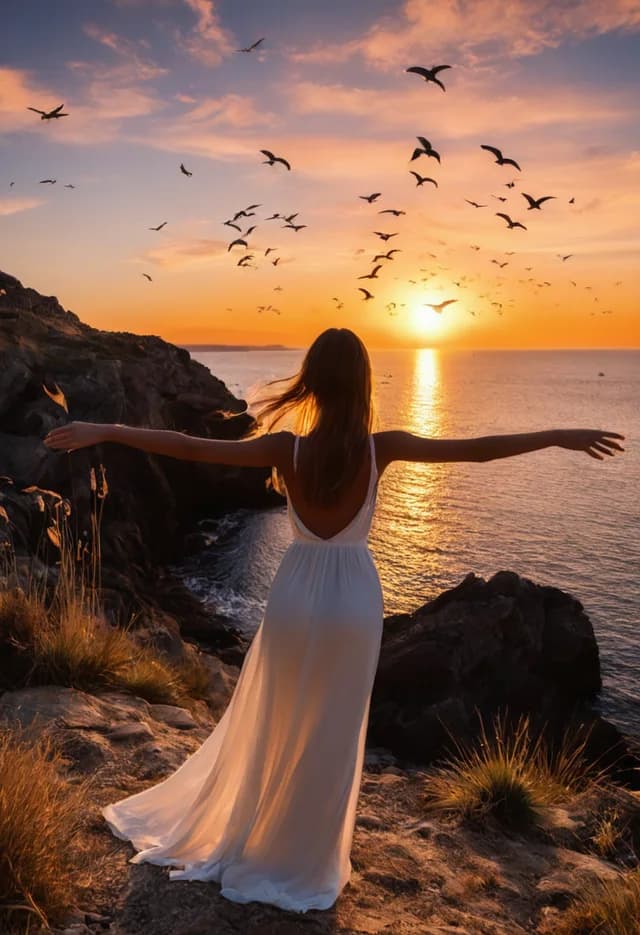
- Versatile II
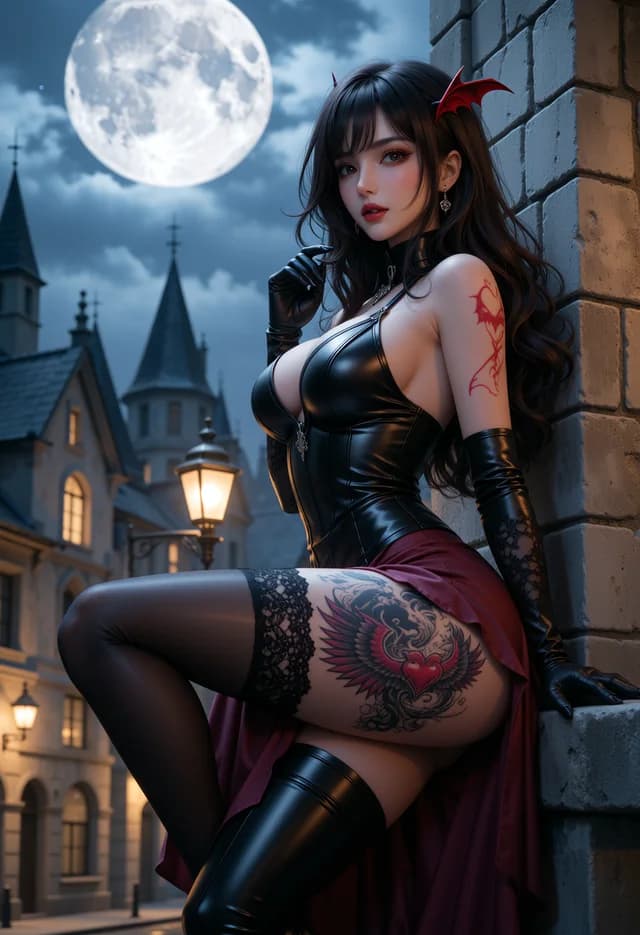
- Realistic IV
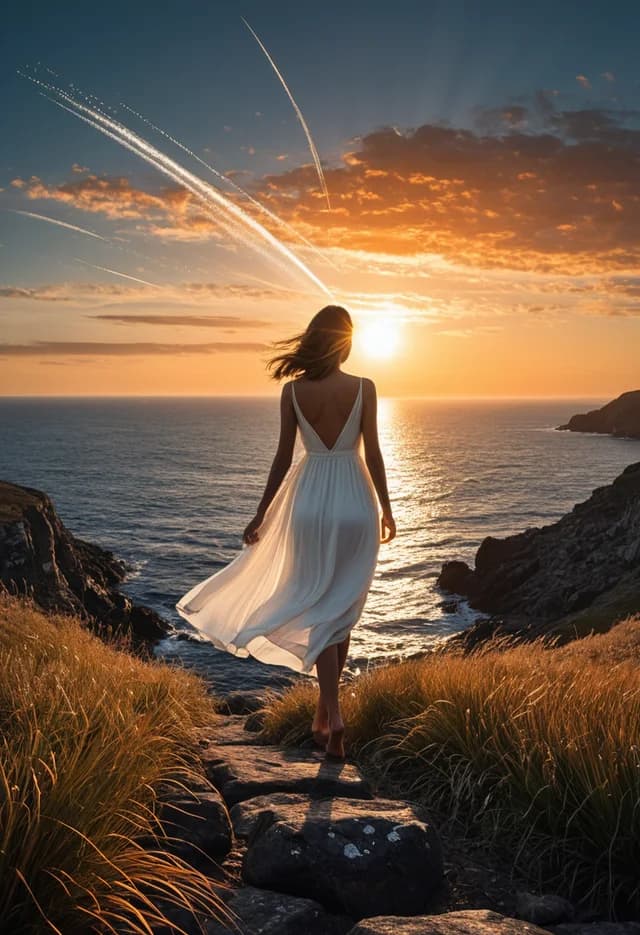
- Versatile III
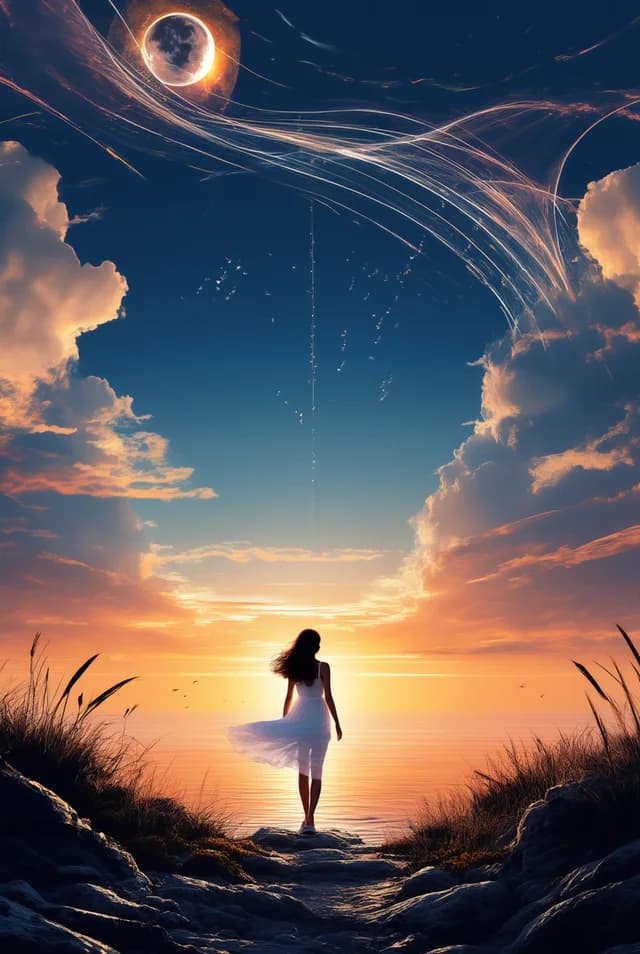
- Anime III
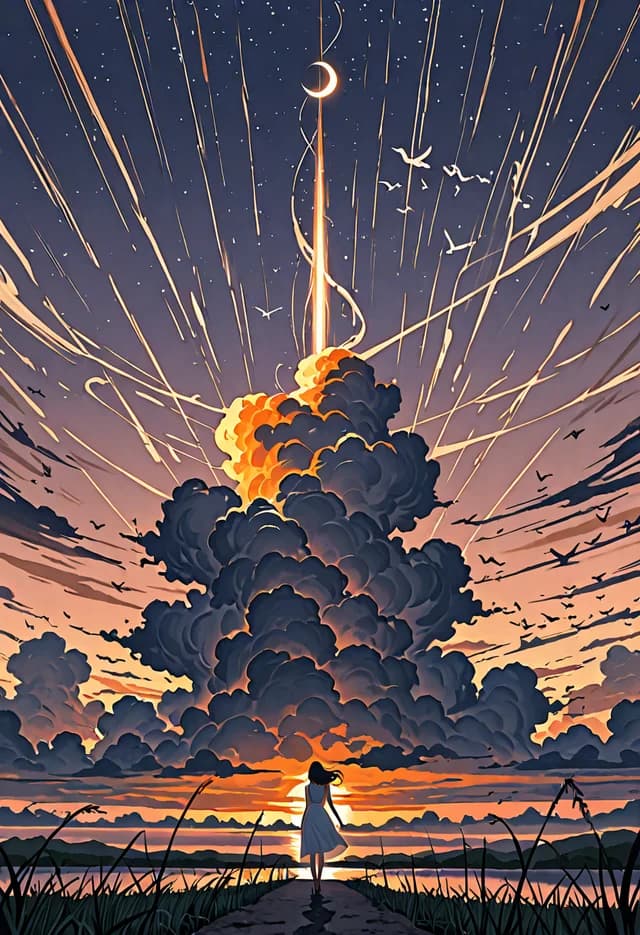
What motion and scene add
Video starts from a frame, not a prompt
Animation works from a still you already chose, which means the character is decided before motion is introduced. Describing a scene and hoping the video engine invents someone you like is a far worse bet.
Scenes preserve the subject
New Scene rebuilds the environment around an existing character rather than generating a fresh one to fit the setting. That distinction is what turns a folder of images into a series.
Time of day does a lot of work
The same character at noon, at sunset, and under streetlight reads as three different moments rather than three attempts. Lighting changes carry more sense of continuity than costume changes do.
Local-first throughout
Privacy Mode covers video and scenes exactly as it covers stills, and it is the default. Requests are processed by Creamify and its providers, but completed work is not added to a Creamify cloud gallery unless you opt in.
About video, scenes, and limits
Up to 30 seconds on Dream, with 5, 7, 10, 15, 20, 25, and 30-second choices, and up to 30 seconds on Wan 3.0 at up to 1080p. Both offer audio as an option; duration, resolution, audio behavior, and price appear before you spend.
No. There is no chat, no voice synthesis, and no memory between sessions. Creamify produces images and video, and nothing here responds to you. If conversation is the point, a companion chat product is the right tool and we would rather say so plainly than let you find out after signing up.
That is what New Scene is for — it holds the subject and rebuilds the environment, rather than generating someone new who happens to fit the description. Large changes still drift, so moving in stages and re-anchoring on each result beats one dramatic jump.
That page is about the design problem: getting one face and keeping it consistent across images. This one is about what you do afterwards — putting that character in different places, at different times, and giving selected frames motion. Most people want both, in that order.
Yes, uploads work as a starting frame. They pass provenance and moderation checks first, applying the platform's one standard: illegal content and content that violates our content rules are refused, for uploads and generated frames alike.
Take a still you like and give it motion, sound, and a scene
Animation starts from a frame you have already approved, so the character question is settled before movement enters the picture.
Animate a character with audio