Choices first, prompt assembled for you
AI Avatar Generator
An AI avatar generator should not require prompt engineering. Creamify's New Avatar mode replaces the blank text box with a guided builder: you choose appearance traits from visual categories — build, hair, face, style — and the app assembles a properly structured prompt from your selections behind the scenes.
The output is a character, not a one-off. Because the builder records decisions rather than freeform text, the same trait recipe can be run again, adjusted one attribute at a time, or carried into the scene builder and video tools — which is what separates an avatar from merely a nice portrait.
Build an avatar free
The build, decision by decision
Choose realistic or anime
The two tracks run on different engines tuned for their look — realistic avatars render on Z-Image Turbo, anime avatars on Wan 2.2. Deciding the medium first keeps every later trait choice coherent with it.
Pick traits, not adjectives
Work through the appearance categories and select what defines the character. Each pick is a concrete, tested phrase in the final prompt — no guessing whether the engine understands your wording, because the wording is the builder's job.
Add the last five percent, then generate
An optional free-text field takes whatever the categories do not cover — a scar, a specific accessory, a mood. Generate, and the result lands in your gallery ready to edit, re-pose, or animate.
Decisions are a better medium than descriptions
Writing a character from scratch in prose means solving two problems at once: knowing what you want, and knowing how the engine needs it said. The builder splits those. It presents the decision space — what kind of build, what kind of hair, what kind of styling — and owns the translation into prompt language that the underlying engine reliably parses.
The practical effect shows up on the second avatar, not the first. When a freeform prompt produces someone almost right, fixing them means archaeology on your own sentence. When a trait recipe produces someone almost right, the wrong decision is sitting there labelled, and you change exactly that one. Iteration becomes a menu operation instead of a rewriting exercise.
An avatar is infrastructure, not output
The point of building a character carefully is everything that happens afterwards. A finished avatar image is the input to the rest of the workspace: the scene generator accepts it as the character reference and re-stages it — new pose, new outfit, new backdrop — while the face carries through. The video workspace takes it as a first frame and puts it in motion. The editor adjusts wardrobe or lighting without touching identity.
This is the pipeline that makes character consistency tractable at all: identity gets fixed in one deliberate image, and every downstream tool is anchored to that image rather than to a re-rolled description. For the relationship-flavoured version of a persistent character, the girlfriend generator page walks the same pipeline with different intent; for fast one-off characters with no persistence requirement, the girl generator is the lighter tool.
Realistic and anime tracks are separate crafts
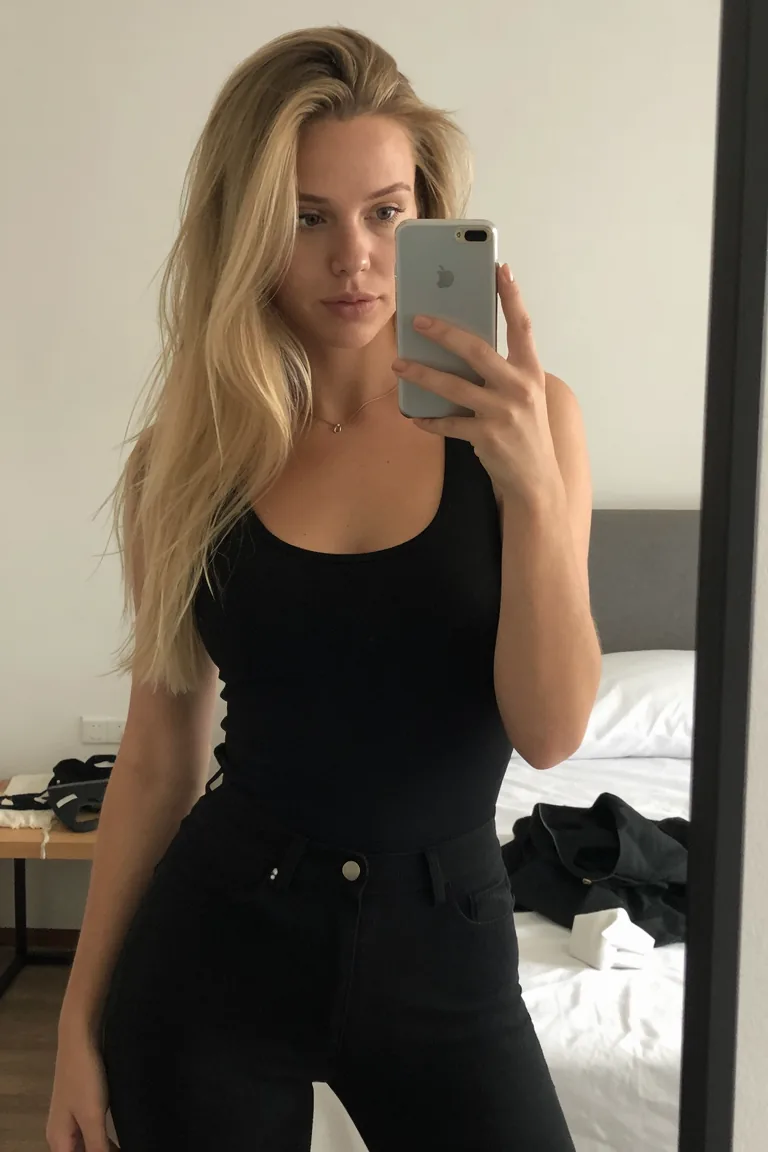
The builder's first fork is not cosmetic. Photorealistic characters live or die on plausibility — skin, proportion, and light behaving like a camera saw them — so the realistic track runs an engine tuned for exactly that. Anime characters obey design logic instead: silhouette, palette, and expressive features that would look wrong photographed but right drawn. The anime track's engine is tuned for that grammar.
Keeping the tracks separate means trait choices land predictably in both. The same "long silver hair" decision renders as strands and highlights on one track and as clean shape language on the other — each correct for its medium, neither an awkward average of the two.
Nothing stops you from building the same recipe on both tracks, either — the selections carry over, and comparing the drawn and photographed versions of one character is the fastest way to discover which medium your idea actually wants.
Why Creamify beats a blank prompt box for avatars
Avatar creation should feel like art direction, not syntax homework. The guided builder turns visible trait choices into a tested prompt, then connects the result to twelve image engines, three editors, scene building, and video. That makes the avatar useful after the first portrait instead of trapping it in a one-shot character tool.
Characters assembled from trait picks
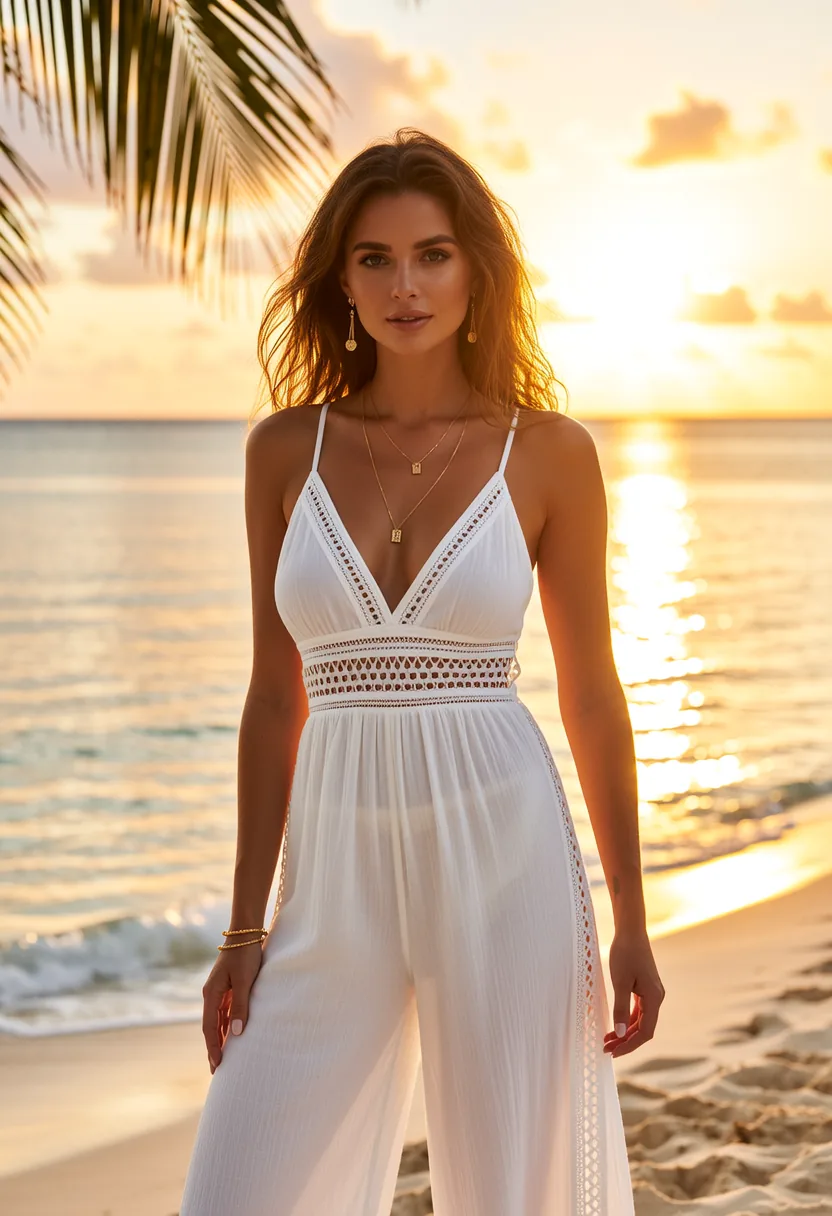
- The same recipe survives a change of setting
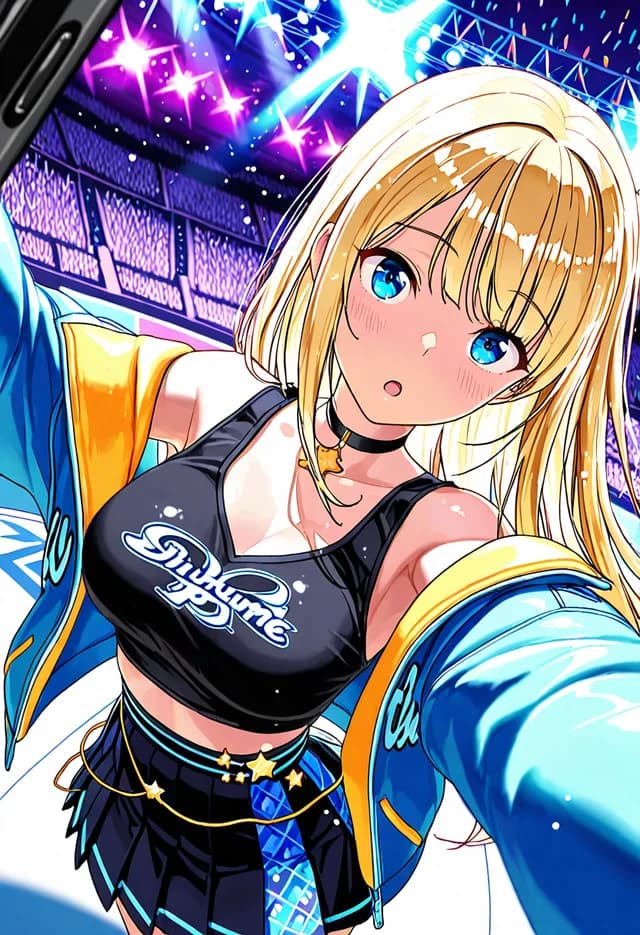
- Anime track output with clean linework
Avatar builder specifics
Because prompts are perishable and selections are not. A freeform prompt that worked is a string you must preserve and reinterpret; a trait recipe is a set of decisions you can reread at a glance and change surgically. Builders also eliminate the wording lottery — every option maps to phrasing the engines are known to handle well.
Appearance categories covering physique, hair, facial features, and styling, plus a free-text field for anything singular. The generate button unlocks after two selections, but the character gets sharper with each additional decision you make explicitly rather than leaving to the engine.
Yes. The builder is not gendered to one output, and the wider workspace has a dedicated page on generating male characters if that is your focus. Pick the traits; the engines follow.
Three main routes. Remix reruns the recipe with any tweaks. The scene builder takes the avatar image as its character slot and re-stages it against new poses, outfits, and backgrounds. Animate sends it to video as a first frame. In each case the generated image anchors identity, so the face you built is the face that persists.
Whichever you have active, like every other generation. In Privacy Mode the avatar lives in your device-local gallery; in Cloud Mode it syncs to your account. Character work is often private by nature, which is why the private-by-default storage design exists.
Anything that crosses the platform's content rules: illegal content and content that violates those rules is refused at generation time. Within the rules, every trait combination the builder offers is fair game.
Assemble a face without writing a word of prompt
Two selections are enough to unlock the generate button. Most people make six or seven and then stop recognising that they are working.
Build an avatar free