Male characters, properly specified
AI Boyfriend Generator
Male characters are harder to generate than female ones, and not because the models are worse at anatomy. They saw far fewer men, so an under-specified prompt drifts toward the majority case and returns something softer and more androgynous than you asked for.
The fix is knowing which details actually anchor a male character. They are not the same details that work for women, which is why prompts ported across from that experience tend to disappoint.
Build him free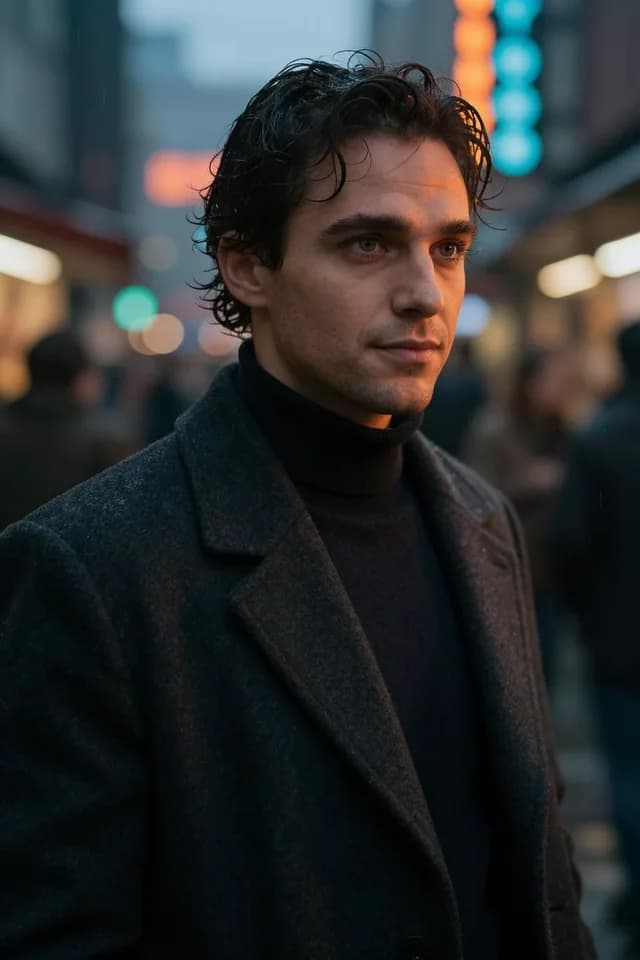
Specifying a man the model will keep
Name an archetype, not a list of features
Rugged, polished, academic, athletic, weathered — a single coherent type steers a model better than six unrelated physical attributes, because it implies posture, grooming, and wardrobe together.
Anchor on hair and jaw
Facial hair, hairline, and jaw definition do the identity work that hair colour does for female characters. Specify all three and results stay recognisably one person far longer.
Dress him deliberately
Wardrobe communicates more personality on male characters than facial description does, and it survives edits well — a change of setting keeps the man if the styling stays consistent.
Male characters anchor on different features
Anyone arriving from generating female characters brings habits that do not transfer. Hair colour and length are powerful anchors for women and weak ones for men, because the range is narrower and the model has less to distinguish. Eye colour is weaker still in both cases, but people lean on it hardest exactly when it helps least.
What holds a male character together is the lower half of the face and the hairline. Beard shape, stubble density, jaw definition, and where the hair recedes or sits are the features that stay stable between generations, and they are what a viewer uses to recognise the same man twice.
Specify those three deliberately and results tighten immediately. Leave them implicit and every generation reinvents them, which is the real reason a carefully described man still comes back as a different person each time.
Archetype does more than attribute stacking
A list of unrelated physical attributes gives a model a problem with no coherent solution. Broad shoulders, delicate features, weathered skin, and formal dress do not describe anyone in particular, and the model resolves the conflict by averaging toward something generic.
A named type does the opposite. Rugged, academic, polished, athletic, or weathered each carry an implied package — posture, grooming standard, wardrobe register, even typical lighting — that the model has seen assembled consistently in training. One word of type frequently outperforms six words of description.
Layer specifics on top of the type rather than instead of it. Set the archetype first, then adjust the two or three details that matter to you. That ordering keeps the coherence while still getting the particular man you had in mind.
Wardrobe and setting as characterisation
Clothing carries more personality on male characters than facial description does, and it is chronically underused. A worn jacket, a tailored coat, and a plain t-shirt produce three different characters from an identical face, and each implies a context the model will render around him.
This matters practically because wardrobe survives editing well. Changing a background or the lighting rarely disturbs styling, so a consistent look becomes a second anchor alongside grooming — and two anchors hold a character together across a set far better than one.
Setting completes it. A man in a specific place, lit in a way that suits the place, reads as a person rather than as a render of a person. Once you have a frame that works, New Scene keeps him and rebuilds the environment, and short video can add movement to the frames worth animating. What it will never do is talk to you; that is not what this is.
Why Creamify is the stronger visual boyfriend builder
The guided route handles the hard first step: it assembles the character prompt from your choices. After that, the same account can render him across twelve image engines, correct a keeper with three editors, restage him, or add motion with clips up to 30 seconds, resolution up to 1080p, and audio support across the curated video lineup. Privacy Mode keeps completed results in the device- local gallery unless you opt into cloud sync.
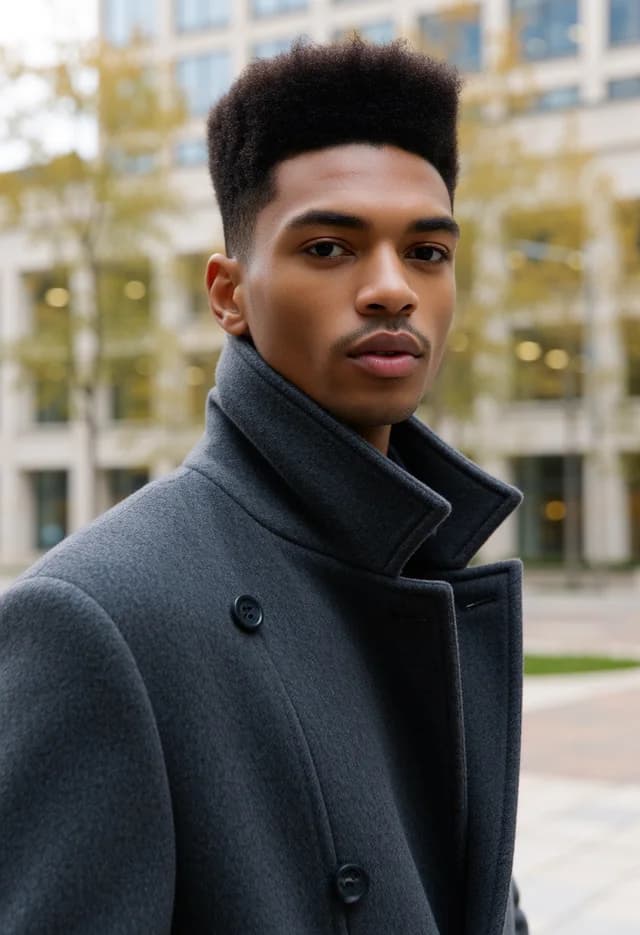
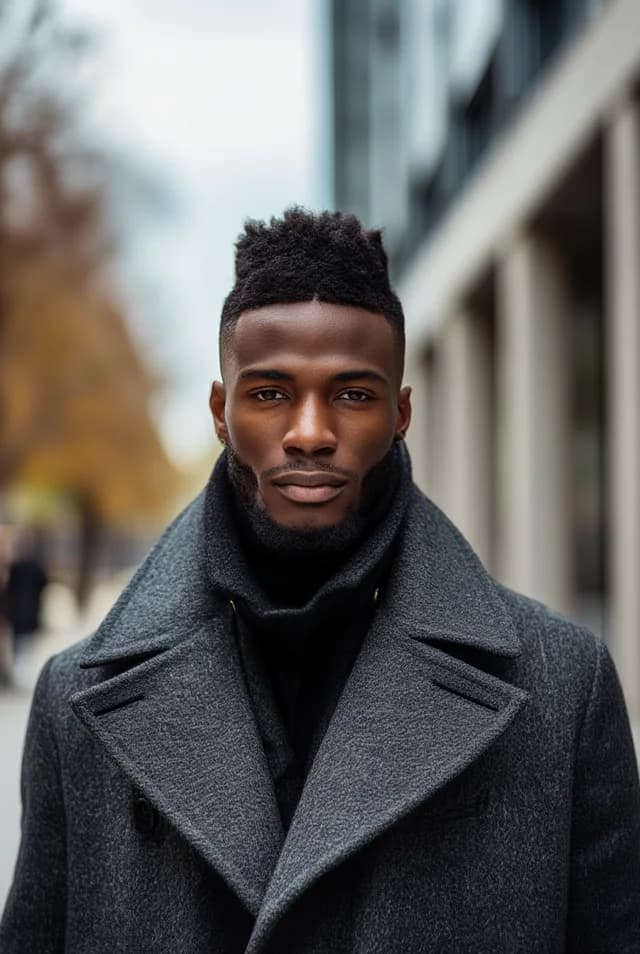
Six men across the engines
- Versatile II
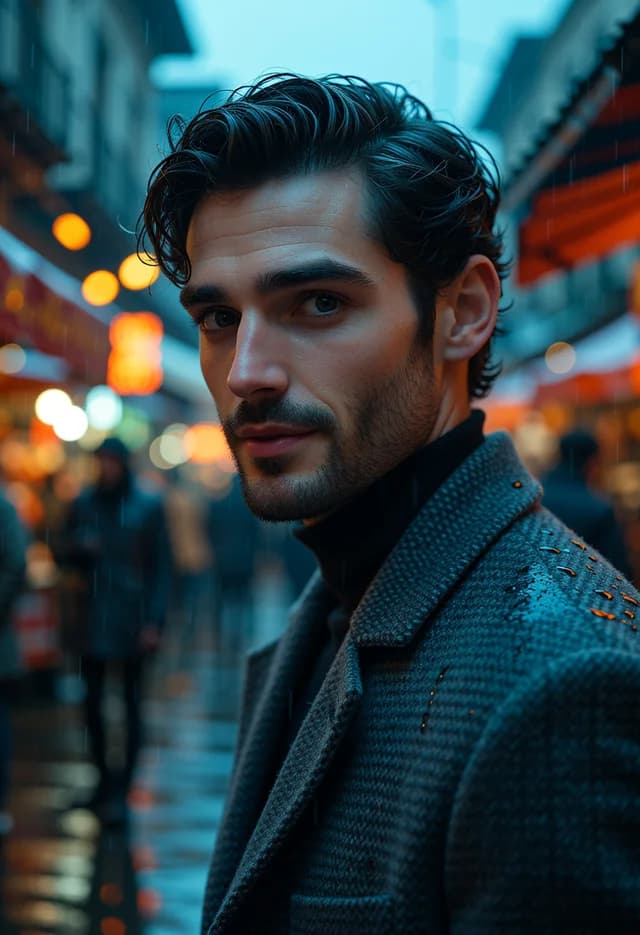
- Realistic IV
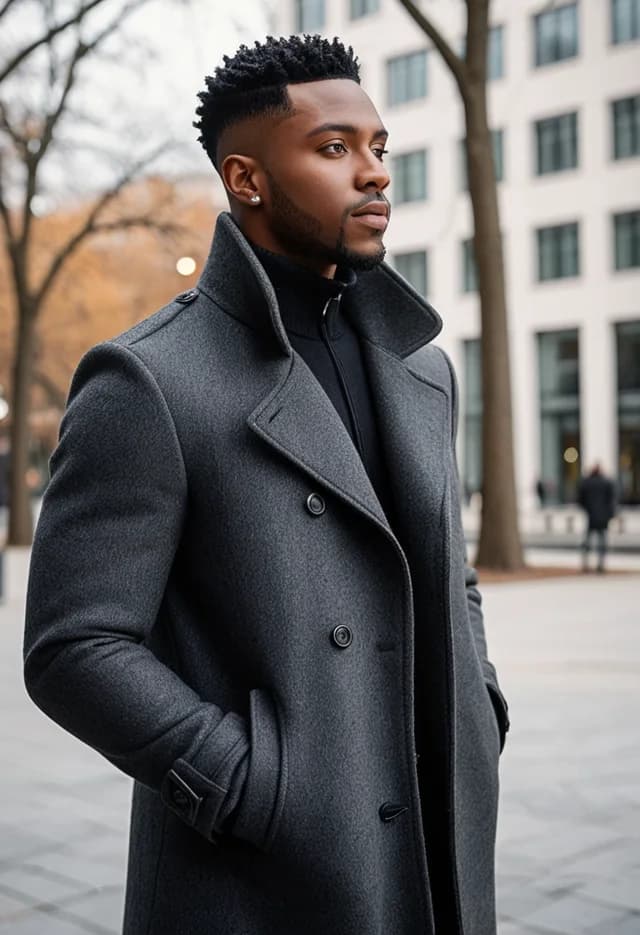
- Versatile III
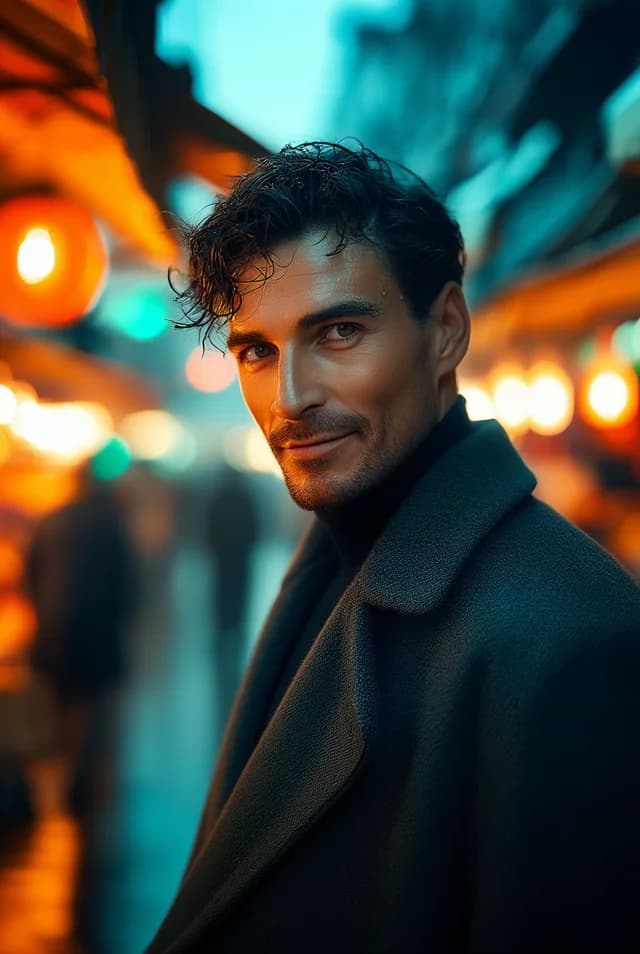
- Versatile II
- Versatile III
Where male characters differ
Grooming is the identity anchor
Beard shape, stubble length, and hairline are the features that stay stable across generations. Eye colour and precise bone structure drift first, so leaning on them produces a different man every time.
Archetypes beat attribute lists
A coherent type carries posture, wardrobe, and grooming as a package. Six disconnected physical attributes give the model nothing to unify, and it resolves the conflict by averaging.
Versatile engines hold male features best
Models trained across a wider subject range keep jaw, brow, and shoulder-to-hip ratio without being pushed. Narrowly tuned engines normalise male subjects toward a softer default.
No chat, by design
This produces images and short video. There is no conversation, no voice, and no memory — if you want something that talks back, a companion chat product is the right tool.
Questions about male characters
Training imbalance. Adult and character models saw far more women, so anything ambiguous resolves toward that majority. Putting subject and gender in the first few words rather than mid-prompt fixes much of it, and naming jaw definition, brow, and facial hair explicitly closes most of the rest. Adding the unwanted subject type to the negative prompt handles the remainder.
The versatile family is the most reliable starting point, with Realistic II and Realistic IV the strongest photoreal options — they hold jaw, brow, and shoulder-to-hip ratio without heavy prompting. On the illustration side, Anime I and Anime IV handle male characters more consistently than the other two.
The same way as any character: generate until one result is right, then run prompt-guided edits against it rather than regenerating. Rerolling samples a new person every time regardless of how detailed the description is. Grooming details help here too — a distinctive beard or hairline survives edits better than subtle facial geometry.
Within adult ranges, yes, and it responds better to secondary cues than to a stated number. Greying at the temples, weathering around the eyes, and wardrobe formality all shift apparent age more reliably than an age in the prompt. Make large shifts across several edits rather than one.
Yes. That page is about explicit scenes with male subjects and the anatomical problems that come with them, including multi-figure compositions. This one is about character design — building a specific man and keeping him recognisable. They are complementary rather than overlapping.
No. One set of platform rules covers everything generated here: illegal content and content that violates our content rules are refused, and the rest renders as prompted regardless of who is in the frame.
Build one who still looks like himself in the fifth image
Guided avatar creation gives you a reference frame, and everything after that is editing rather than rolling the dice again.
Build him free