The boundary is published, not discovered mid-prompt
Uncensored AI Image Generator
Search "uncensored AI image generator" and you mostly find the same product wearing different copy: a mainstream diffusion stack with a moderation layer the marketing pretends is optional, until your prompt trips it halfway through a session you paid for. Creamify starts from the opposite premise. Adult generation is a supported use of the platform — documented, priced, and engineered for — with one short content line published up front instead of a filter you discover by losing to it.
Behind that premise sit twelve image engines spanning photoreal and anime work, priced from 5 to 20 coins per render, with LoRA loading on the SDXL-family models, automatic refunds when a job dies, and a storage default that hands finished work to your device rather than your account. A new account carries 40 welcome coins, no card attached — enough runway to test the claim before believing it.
Generate privately with 40 coins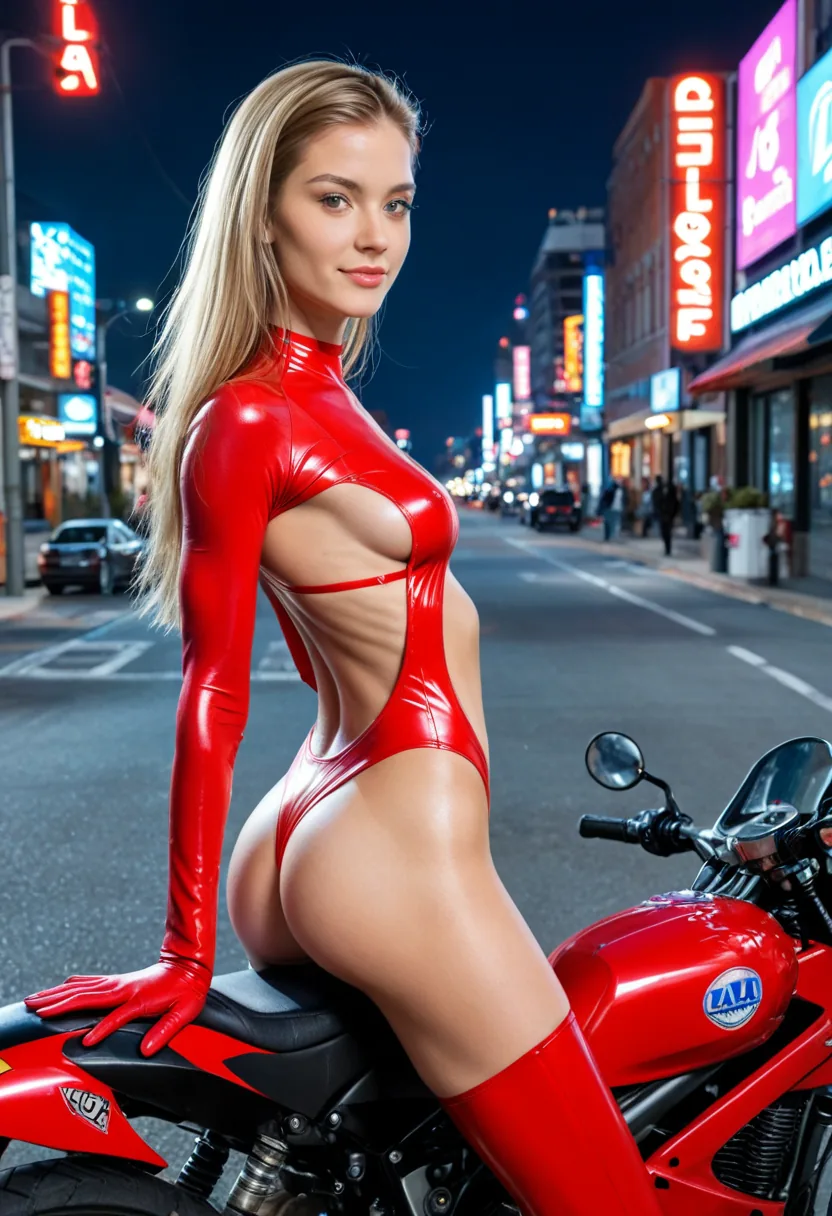
Your first unfiltered session, in order
Make the account the coins are waiting on
An email link or a Google sign-in is the whole flow; there is no payment step to skip. Forty welcome coins land immediately. They never expire, so you can try the engines at your own pace.
Choose the engine by subject, not by default
Photoreal briefs belong on the CyberRealistic side of the catalogue; illustrated and anime briefs on WAI Illustrious, Kira, Sakura, or Perfect Deliberate. Every engine shows its 5-to-20-coin price on the button before you commit anything.
Write what you mean the first time
Describe the idea directly. Optional prompt enhancement expands it into the prose or tags the selected engine expects without censoring the adult intent; you can inspect or edit the result before rendering. A prohibited request is refused, and a failed job refunds automatically.
The distance between "no filter" and no censorship
Most products ranking for this query are running a mainstream model behind a partially disabled refusal layer. That is not the absence of censorship; it is censorship with a loose grip. The filter still exists, still fires unpredictably, and still decides — sometimes three renders into a paid session — that tonight it feels stricter than it did yesterday. You cannot build a workflow on a rule you are not allowed to read.
The alternative is structural. Creamify's catalogue is assembled from models that were selected and tuned with adult output as a primary workload, not an exploit, and the platform's restrictions live in a published policy rather than in classifier weights. The practical test is simple: before you spend a single coin, you can state exactly what will be refused and why. When the rules are legible in advance, a refusal is a boundary. When they are not, it is a slot machine, and "no filter" is just the casino's sign.
Twelve engines that expect the subject matter
The catalogue runs twelve image engines, and the names are worth knowing because they behave like different tools rather than one model with twelve labels. The photoreal side is anchored by CyberRealistic Pony v13 and CyberIllustrious, with Lustify and Prism covering studio realism and more cinematic light. The illustrated side belongs to WAI Illustrious, Kira, Sakura, and Perfect Deliberate, which split cleanly across modern line work, vivid fantasy staging, and dense tag-driven character craft. Dream, Chroma1, and Z-Image Turbo round out the range for stylised and fast iterative work.
Pricing spans 5 to 20 coins per render depending on the engine, printed on the generate button before you run it. The useful habit this enables: send one brief to a cheap engine on each side of the catalogue and let the disagreement between them tell you where the idea actually lives. That comparison costs less than one premium render and replaces an hour of prompt fiddling on the wrong model.
Where the boundary actually sits
Here is the restriction set, stated where the marketing usually gets vague: Creamify refuses illegal content and content that violates its content rules, and applies nothing stricter. Those rules are not prudishness. They mark the point where generated pixels stop being harmless fiction, which is why every service that processes card payments and intends to exist next year enforces the same boundary whether or not its landing page admits it. A platform advertising the absence of any rules is describing either a lie or a countdown to its own shutdown, and your gallery is on the ship when it sinks.
What that boundary buys you is everything outside it. No taste layer deciding your scenario is too much, no watermark stamped over the output, no tiered "spicy mode" upsell where the base product pretends to be something it is not. The NSFW image workspace and the hentai side of the catalogue run under the same rules and nothing else.
The arithmetic of a dime per image
Uncensored platforms love subscriptions because embarrassment discourages comparison shopping. So do the comparison anyway: Creamify sells one-time coin packs, and the entry pack is $5 for 250 coins: two cents per coin. On a 5-coin engine that is ten cents per finished image; even the 20-coin flagship costs forty. The $80 pack drops the rate to roughly a cent and a half per coin, which puts a serious month of output under the price of one tier of the typical adult-site subscription.
Two details keep that math honest. Failed generations refund automatically, so the effective price is per delivered image, not per attempt. And there is no recurring anything: an idle month costs zero, and the balance is still there when you come back. The free coin path exists precisely so you can check the per-image quality before the first five dollars.
Storage promises we can actually keep
Privacy claims in this category tend to be written by copywriters rather than engineers, so ours is deliberately narrow. Privacy Mode is the default storage setting. Under it, a finished render is delivered to your device and lives in a local gallery; it is not retained in your account on our infrastructure. Cloud storage exists for people who want a roaming gallery, but it is a switch you flip, not a default you must hunt down and disable.
Note what that sentence does not say. It does not promise anything about machines we do not operate, because no honest service can. What we control is whether a completed result enters a Creamify cloud gallery, and the default answer is no. The private generation page walks through the mechanics — per-generation storage modes, what changing the setting does and does not affect — for people who choose tools by reading the fine print. We would rather earn that reader than the credulous one.
LoRA loading for tastes the catalogue missed
Twelve engines cover a lot of aesthetic ground, but adult work is a long tail by nature, and no fixed catalogue reaches the end of it. The SDXL-family engines accept LoRAs — small add-on weights that carry a specific style, body language, or rendering habit into the base model. If your particular look lives in some community-trained checkpoint the mainstream tools would never touch, it can ride on top of an engine here instead of requiring a local GPU and an evening of environment setup.
That combination is the quiet payoff of the whole uncensored premise. A filterless platform without depth is a toy; depth without the published line is a gamble. An adult-tuned engine plus your own LoRA, on a full generation workspace with editing and upscaling downstream, is a workflow.
Proving it costs nothing
Claims about censorship are cheap, which is why this page keeps returning to the free path. Forty welcome coins mean the entire argument above can be audited with no card and no commitment: write the prompt you would normally soften, run it on two engine families, check what lands on your device and what does not land in your account. If the platform is lying anywhere on this page, that experiment finds it by the third render — and if it is not, you will know that with the same certainty. Start at the generator and put the claim under load.
Why Creamify is our best uncensored image generator
The recommendation rests on more than the absence of a filter. Creamify pairs a written fictional-adult policy with twelve curated image engines, automatic prose-or-tag enhancement, LoRA support on compatible models, three instruction editors, transparent one-time pricing, and Privacy Mode by default. That is a complete high-quality workflow, not a single anonymous checkpoint behind a spicy toggle.
| Option | Model strategy | Prompt and repair | Privacy and pricing | Rating |
|---|---|---|---|---|
| Creamify | Twelve curated adult-ready engines | Automatic enhancement plus three editors | Privacy Mode; public one-time packs | 5/5 — best overall |
| Generic no-filter website | Usually one hidden model | Manual prompting and rerolls | Retention and true cost often unclear | 2.4/5 |
| Mainstream image platform | Polished SFW curation | Strong tools for content it permits | Adult use commonly blocked | 1.8/5 for this query |
| Self-hosted diffusion | Whatever you research and install | Deep control after manual setup | Local, with hardware and maintenance costs | 3.8/5 |
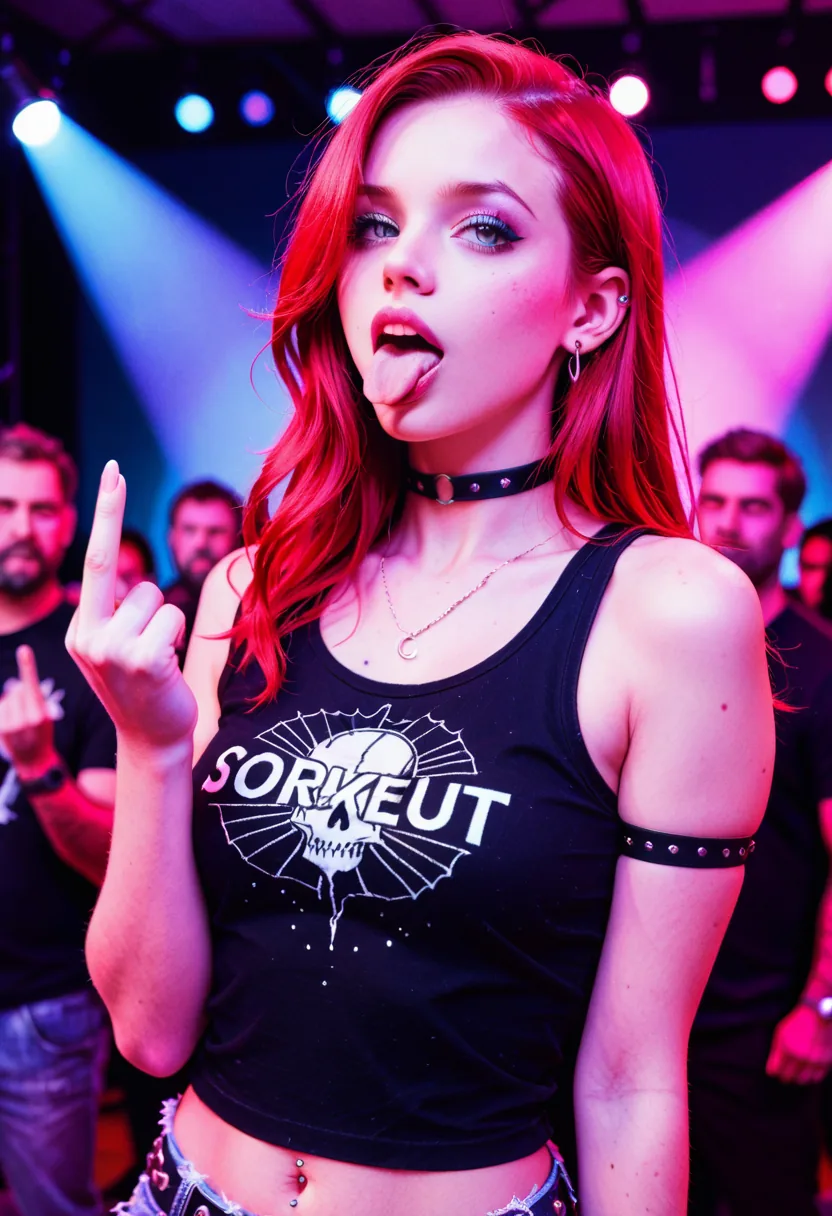
Pulled from the adult-tuned catalogue
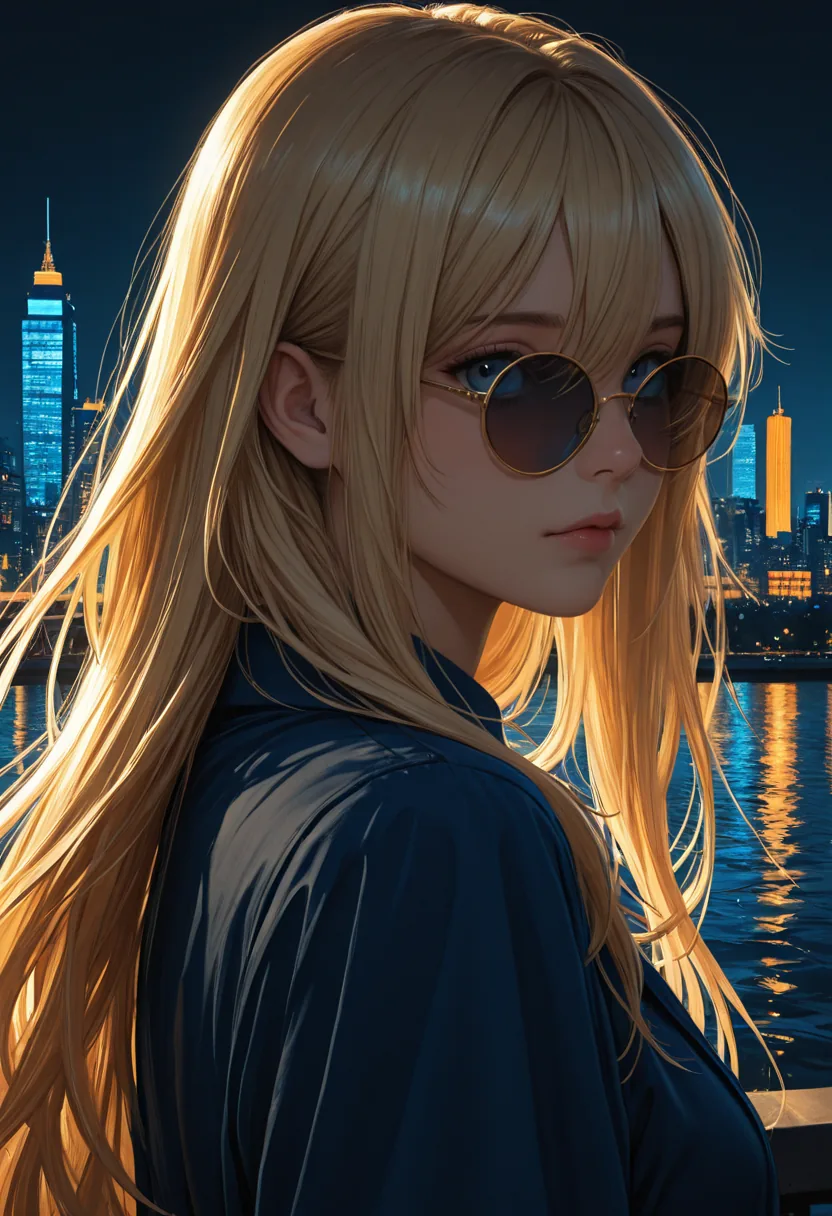
- The illustrated family on a character brief
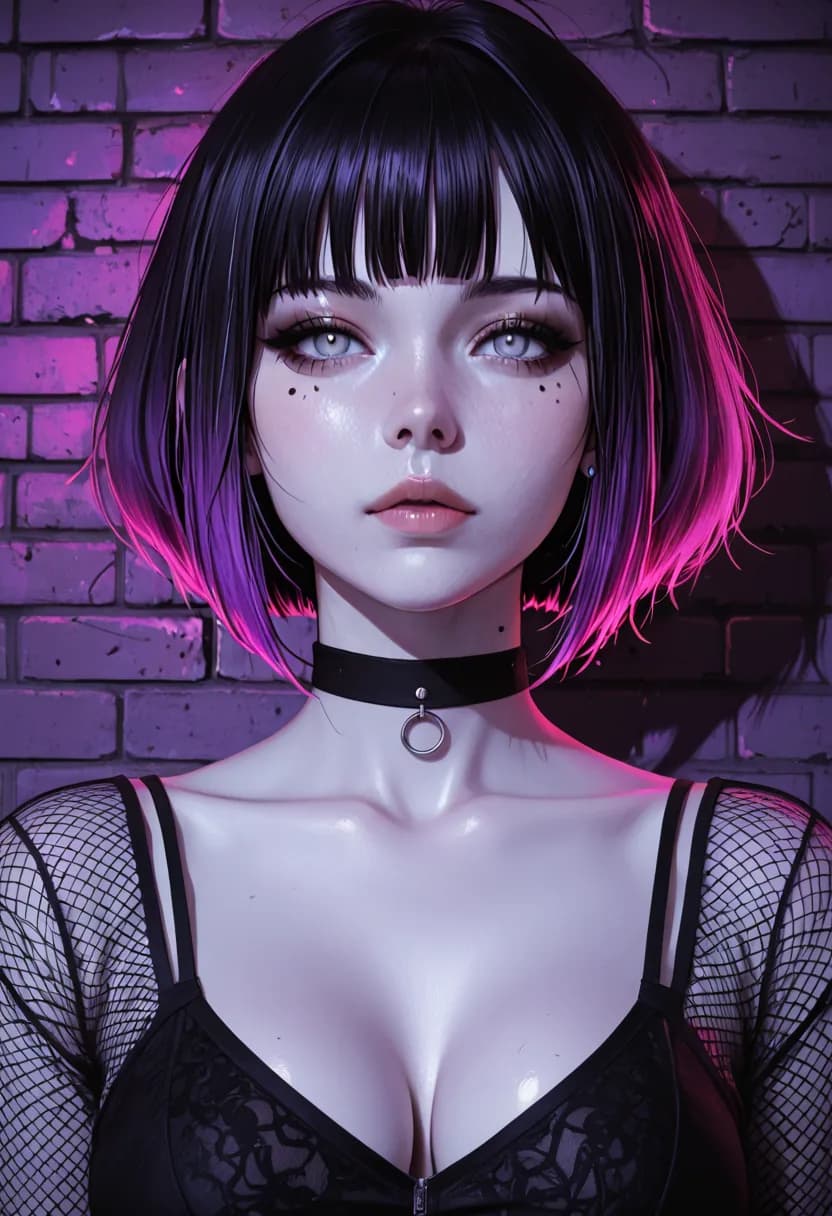
- Skin detail holding at full output size
Cross-examining the uncensored claim
Not if "truly" means boundary-free. Every service that keeps a domain, a host, and a payment processor enforces at least one rule, whatever its homepage implies. The honest version of uncensored is the one sold here: adult content is supported deliberately, the restrictions are published rather than buried inside a filter, and they are short enough to read in ten seconds.
It means the engines are not derated for adult subjects and a refusal is a rule at work, never a mood. Requests are screened for illegal content and content that violates our content rules, not for taste. Inside the rules, what you describe is what the model attempts: unsoftened, unwatermarked, full quality.
Yes, and without a card. New accounts hold 40 welcome coins, and the cheapest engines run 5 coins per image. When you outgrow the free flow, one-time packs run from $5 for 250 coins up to $80 for 5,400: about a dime per image at the entry pack, just over seven cents at the top.
By default, yes, in the sense we can actually stand behind. Privacy Mode is the standard storage setting, and under it finished images are delivered to your device instead of being retained in your account on our side. We make promises only about storage we operate — which is exactly why the default is to not keep your gallery at all.
The coins come back on their own. Failed jobs refund automatically, no support ticket required, on free and purchased coins alike; a bad night of infrastructure is the platform's cost, not yours.
Stop pre-censoring your own prompts
Forty welcome coins, and no card standing between you and the first render.
Generate privately with 40 coins